
Understanding And Navigating E-Bike Injury Accident Claims
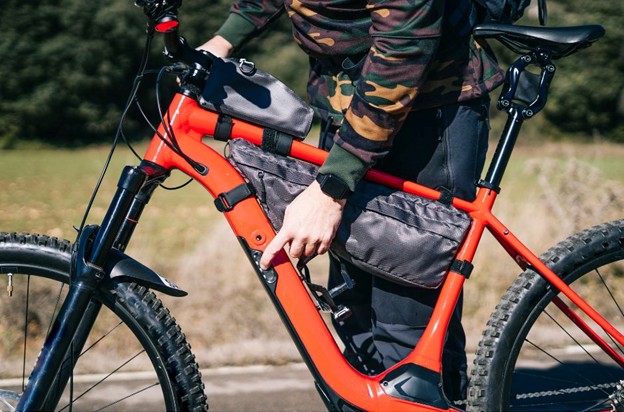
Have you been involved in an e-bike accident? The stress and complexity of the incident may feel overwhelming. Today, we will share the main types of e-bike injuries and common causes. Our local personal injury lawyers will also share how to navigate the legal process in a scenario such as this.
E-Bikes and their Increasing Use
As stated by Research and Markets, the Canada e-bike market is expected to grow at a CAGR of 21.63% between 2025 and 2029. At the same time, research by the University of British Colombia, confirmed that the use of electric bicycles has increased. It rose from 4.5% to 16.4% between 2019 and 2023.
E-bike use is increasing because of the convenience of this mode of transportation. You will also find that people are choosing to travel on e-bikes because of their cost-effectiveness – operating and owning an e-bike is significantly cheaper than travelling by car.
Common Causes of E-Bike Injuries
Yet, e-bikes can lead to various incidents on the road. They are often involved in collisions with other motor vehicles. And there are other causes that also lead to injuries, such as the following:
Mechanical Failures – When an individual fails to complete regular maintenance of their e-bike, such as inspections of breaks and electrical components, their e-bike may be unfit for the road. This can result in accidents and subsequent injuries when the e-bike fails to function correctly.
Rider Error – E-bike riders who weave in and out of traffic or do not follow the rules of the road may cause injuries to those around them and themselves. If the rider is also distracted or unaware of their surroundings due to cell phone or headphone use, this can lead to collisions.
Environmental Factors – Rain or fog can lead to poor visibility, which may cause riders to collide with pedestrians or other obstacles that remain unseen until it is too late.
Types of E-Bike Injuries
Incidents like these can lead to many common passenger and bike rider injuries, causing severe impacts on the victims’ health. The common injuries to consider include:
Fractures – Fractures can be partial or complete breaks in bones – they can happen when the bone cannot withstand a strong force, and it shatters. Common examples include tibial and ankle fractures.
Head and Traumatic Brain Injuries – Trauma to the neck or head can occur when riders do not wear helmets. Additionally, traumatic brain injuries are caused by a forceful bump or blow to the head, which can happen when the rider collides with a static object or motor vehicle.
Spinal Injuries – A spinal injury consists of damage to the rider’s spinal cord nerves, which can lead to a loss of movement, temporarily or permanently.
Each can require a long-term recovery period and extensive medical care. Traumatic brain injuries require hospital observation, neurological care, physical therapy and supportive care, as can spinal injuries. Fractures need scans, pain management, casts, and occasionally surgical intervention.
Legal Rights and Responsibilities
E-bike riders need to be aware of the laws and regulations surrounding the use of this mode of transport. For instance, riders need to be 16 years or older, wear a helmet, complete e-bike maintenance, and follow the road rules. They should also know that it’s prohibited to ride e-bikes on some access highways and sidewalks.
It is important to note that, in Ontario, under the Ontario Highway Traffic Act, riders under 16 years old cannot ride or operate an e-bike anywhere on public roads.
Additionally, the e-bike cannot exceed a maximum assisted speed of 32 km/h and a maximum weight of 120 kg. It cannot have modifications to the motor that make it exceed 500 watts. Its battery and motor need to be securely fastened to the frame, and the wheel width needs to be between 35 mm and 350 mm.
Navigating the Legal Process After an E-Bike Accident
If you are injured in an e-bike accident, make sure you follow the steps to handle the post-accident process with confidence:
- Seek medical attention. It doesn’t matter whether you have visible injuries – you should attend a medical check just in case injuries appear in the following days.
- Exchange details with the other party. This is an important step because, if you are the injured pedestrian, you may find it difficult to track down the rider after the incident. Since e-bikes do not need a license plate, they will not be discoverable in a license plate search.
- Take pictures of the accident scene and gather witness statements. If you have collided with a motor vehicle such as a car or truck, as an e-bike rider, you may be entitled to statutory accident benefits (SABS), no matter who is at fault. If you lack insurance, you may be able to claim against the insurer of the vehicle involved in the collision.
For this reason it’s important to take pictures of the damage caused, and to collect witness statements, which can serve as evidence.
- Make sure you report the accident to the police to have access to a report or record for your SABS or personal injury claim.
- Ensure you also consult a personal injury lawyer who often work with in e-bike accidents, as they will support you through your case, ensure you understand your rights, fight for fair compensation, and communicate with insurance parties for you.
Safety Tips for E-Bike Riders
It is additionally important to keep a few safety tips in mind if you ride an e-bike. Adhere to the proper use of safety gear, such as helmets and reflective clothing to stay visible and protected.
You should also complete regular maintenance checks to ensure your e-bike is road worthy and avoid malfunctions when using this mode of transport.
Following best practices for riding in traffic or different terrains can also keep you safe. Maintaining a centered posture and keeping your grip on the handlebars will give you the right balance, and you should also ride at a consistent pace on flat terrain to react to unexpected obstacles.
On hills we advise switching to a lower gear, which helps you climb steeper inclines in a smooth, controlled way, ensuring your pedalling rhythm is consistent.
Seek Legal Help from Ristich Law for E-Bike Injury Accident Claims
E-bike injury accidents can be complex and challenging to navigate. But with the right knowledge and support, you will be able to proceed with confidence. That is why it is important to understand the legal process.
If you are not sure about your rights or are concerned about negotiations with insurance companies, we advise speaking with an experienced, local personal injury lawyer who specializes in e-bike accident claims. Navigate your personal injury claim smoothly with the right law firm. Contact Ristich Law today.
FAQ
Are E-Bike Accidents Covered by Auto Insurance?
In some scenarios, you will find that e-bike accidents are covered by auto insurance, but this depends on whether a motor vehicle was involved in the incident. If you collide with a motor vehicle, the driver’s insurance can cover your SABS. If not, other forms of insurance may help with expenses.
What Kinds of Compensation Can I Claim After an E-Bike Injury?
The kinds of compensation you can claim include costs like rehabilitation, medical, lost wages, property damage (including the damage done to your bike), home care, or assistive device costs. The compensation may also cover reduced earning capacity.
Can I Claim Compensation if I Was Partly at Fault?
The short answer is that you can claim compensation if you were partly at fault because of Canada’s comparative negligence, which may mean reduced compensation depending on your percentage of fault. But claiming damages is still possible.
Tell Us What Happened!
Free Case Evaluation
Getting in touch is easy! Use the form below and request a FREE case evaluation and consultation today.