
Dealing with Insurance After an Injury: What to Expect
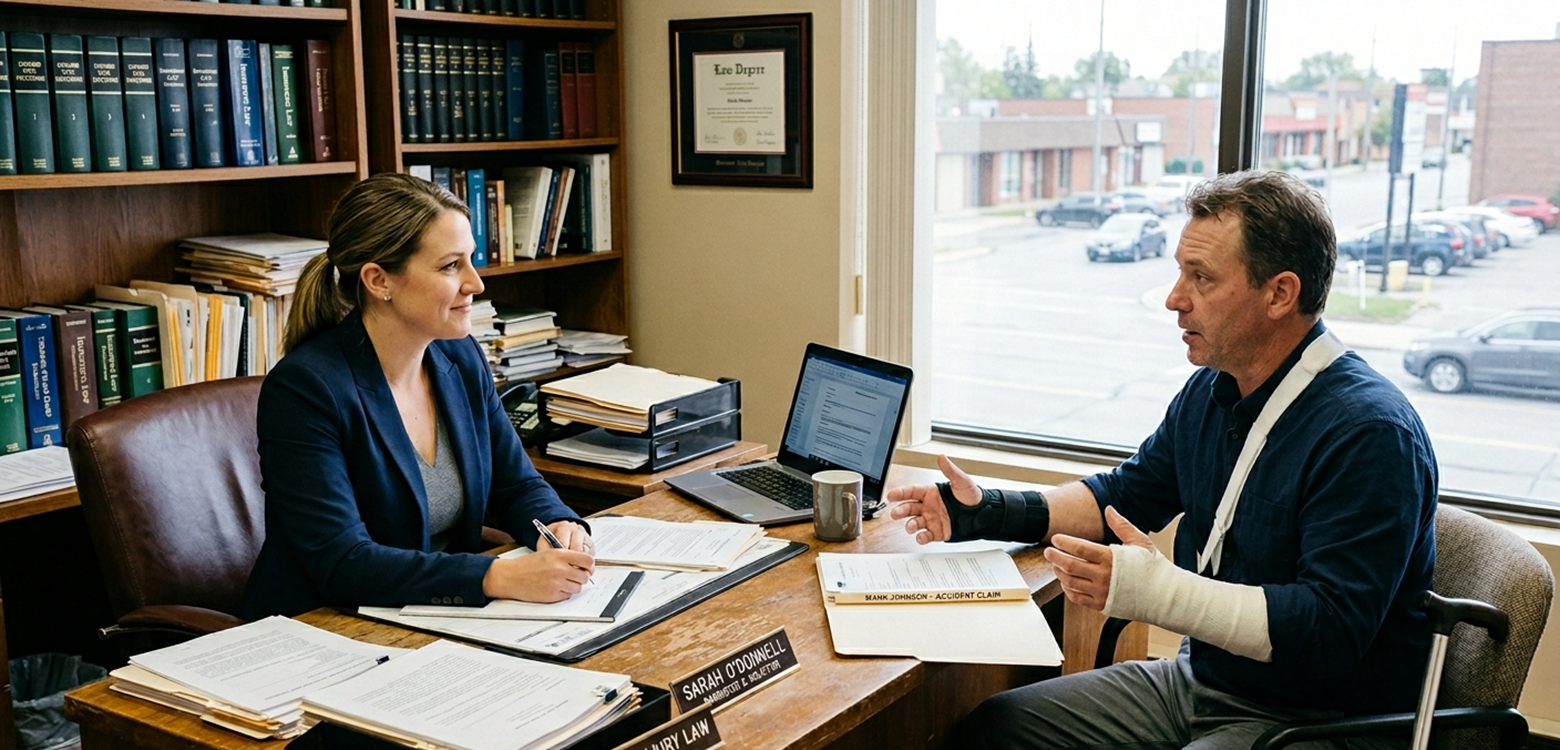
Here’s a straightforward, step-by-step look at how the process usually works, what the adjusters are focused on, and the common mistakes that can hurt your claim, plus simple things you can do to protect yourself.
The Insurer’s Process After an Accident
Right after the accident, the clock starts ticking. You need to let your insurance company know you plan to claim benefits within 7 days, or as soon as you reasonably can. You can do this by phone, through their online portal, or by contacting your broker.
Once you notify them, the insurer must send you the necessary forms, including the main one called the Application for Accident Benefits (OCF-1). You’ll usually have 30 days to fill it out and send it back. If you’re missing work or need medical help, you’ll also want to include a disability certificate (OCF-3) from your doctor or other health professional.
After they receive your application, the insurance company assigns a claims adjuster to your file. This is the person you’ll be dealing with moving forward. Here’s what typically happens next:
- The adjuster reviews everything you sent and asks for any missing information.
- They’ll reach out to you, often by phone or email to ask questions about the accident, your injuries, and how things were before you were injured (your job, daily routines, etc.).
- You may be asked to provide medical records, income details, or other documents.
- The adjuster decides what benefits you qualify for and may arrange for you to attend an insurer examination (sometimes called a Section 44 exam).
If you need treatment or rehabilitation, your healthcare provider will usually send in a treatment plan. The insurer has to respond to many of these requests within 10 business days. Approved payments should generally come within 30 days of receiving proper invoices.
You’ll also start receiving regular benefit statements that show what’s been paid and what’s still available. If you disagree with any decision the insurer makes, you can ask for an internal review or, in many cases, take the matter to the Licence Appeal Tribunal (LAT). It’s also a good idea to speak with a personal injury lawyer in Toronto who can guide you through the process and help protect your rights.
What Adjusters Look For and Why It Matters
Insurance adjusters have one main job: to protect the insurance company’s money. They investigate your claim, check that you meet all the rules under the Statutory Accident Benefits Schedule (SABS), and decide exactly how much the company should pay, nothing more, nothing less.
They carefully review your accident benefit application, medical reports, and anything you say for consistency. They want clear, objective evidence from health professionals showing how your injuries are affecting you.
Common Red Flags Adjusters Watch For
- Inconsistent stories about the accident or your symptoms
- Missing paperwork or forms that aren’t filled out properly
- Not sending the requested documents on time
- Skipping a required medical examination
- Big gaps in your treatment records
These issues can cause delays, extra questions, or even a temporary stop to your benefits.
That’s why staying organized really helps. Document evidence and keep a folder (physical or digital) with copies of:
- Every form you submit
- All emails and letters from the insurance company
- Notes from every phone call (date, time, who you spoke with, and what was said)
- Medical reports and receipts
- Records of how the injury is impacting your work and daily life
The clearer and more consistent your records are, the smoother the process tends to go.
Common Mistakes Injured People Make
When you’re hurting and stressed, it’s easy to make small mistakes that can cause big problems later. Here are some of the most common ones I see, along with better approaches:
- Talking too much about who was at fault during early calls or recorded statements. Stick only to the facts you know for sure. Remember, accident benefits are no-fault, but what you say can still affect your file and any future claim against the other driver.
- Signing a release or accepting a settlement offer too early. Wait until you have a clear picture of your full recovery and all the benefits you may be entitled to.
- Accepting the first offer the adjuster makes without understanding the total value of your claim. Take time to review it carefully with your complete medical information in hand.
- Letting paperwork pile up or missing deadlines. Keep everything organized from day one. If the forms feel overwhelming, get help from an injury lawyer so nothing falls through the cracks.
- Giving a recorded statement right away without preparation. Prepare a short written summary of the facts first, and consider getting advice before agreeing to be recorded.
Small changes like these can make a surprisingly big difference in how your claim is handled.
Protecting Your Rights Early
The first few weeks after your accident, whether it’s from a slip and fall or a car accident, are really important. The decisions you make (and the things you say) early on can affect your claim for a long time.
Simple Steps You Can Take Right Now
- Write down every conversation with the insurance company, include the date, time, the person’s name, and what was discussed.
- Save every email, letter, and message in one easy-to-find place.
- Avoid guessing about fault or how long your injuries will last. Stick to what you know today and let doctors give the medical opinions.
- Don’t rush into anything until you understand your full rights.
Speaking with a local personal injury lawyer early can give you real peace of mind. They can check your forms, guide you on what to say to the adjuster, and help you understand both your no-fault benefits and any possible claim against the at-fault driver.
Little mistakes early on, like sending incomplete forms or saying something that creates inconsistencies, can be very hard to fix later. Protecting your rights from the beginning puts you in a much stronger position.
How a Lawyer Levels the Playing Field
Handling everything yourself while you’re recovering is tough. Adjusters do this every single day and know the system inside out. Having a personal injury lawyer on your side helps balance things out.
A lawyer experienced with injury claims can:
- Handle most of the communication with the adjuster, so you don’t have to
- Make sure every form and request is answered correctly and on time
- Gather and organize your medical evidence
- Build strong submissions that clearly show what you need
If benefits get denied or stopped, they can file the proper paperwork and represent you at the Licence Appeal Tribunal. And if you have a claim against the at-fault driver, they can manage the investigation, collect witness statements, and negotiate with the other insurance company once your injuries have stabilized.
You don’t have to figure out all the rules while you’re trying to heal. A personal injury lawyer makes sure someone is looking out for your interests instead of the insurer’s.
If you’ve been injured in an accident, the team at Ristich Law is here to help. Reach out today for a free consultation and get trusted guidance on your next steps. With offices in Etobicoke, Toronto, Ottawa, and Whitby, our personal injury lawyers are committed to helping you pursue the compensation and results you deserve.
Frequently Asked Questions
How soon do I need to report a car accident to my insurance company in Ontario?
You should notify your insurer within 7 days of the accident, or as soon as you reasonably can. Waiting too long can put your benefits at risk.
What is the deadline to submit the Application for Accident Benefits (OCF-1) in Ontario?
You usually have 30 days from the time the insurer sends you the forms to complete and return them.
Can I give a recorded statement to the insurance adjuster right after my accident?
You don’t have to give one immediately. It’s often smart to prepare your facts carefully or get advice first, because everything you say goes on the record.
What happens if my insurance company denies or cuts off my accident benefits?
You can ask for an internal review. If that doesn’t resolve it, you can apply to the Licence Appeal Tribunal (LAT). Good documentation makes your position much stronger.
Do I need a personal injury lawyer to handle my Ontario accident benefits claim?
You can handle it on your own, but many people find it much easier with a local personal injury lawyer helping with communications, deadlines, evidence, and negotiations, especially if benefits are being disputed.
How long do I have to start a lawsuit against the at-fault driver in Ontario?
In most cases, you have two years from the date of the accident. Some situations have shorter timelines, so getting advice early is a good idea.
Tell Us What Happened!
Free Case Evaluation
Getting in touch is easy! Use the form below and request a FREE case evaluation and consultation today.