
Boating & Jet-Ski Accidents in Ontario: Can You Claim Injury?
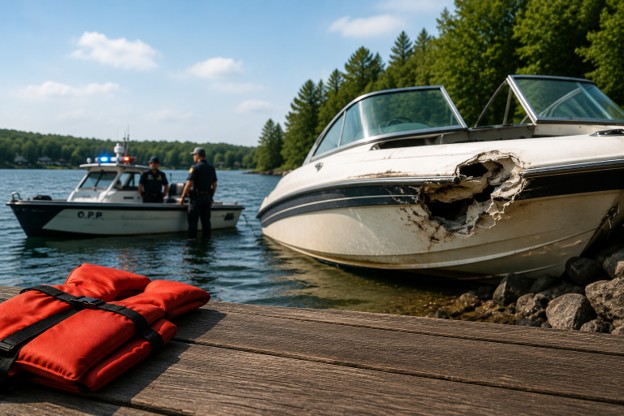
Boating on Ontario’s lakes and waterways offers a wonderful recreational activity, but accidents can happen. Collisions, falls overboard, or equipment issues may lead to serious injuries. Understanding the legal basics helps protect your rights if you or a loved one is hurt in a boating or jet-ski accident.
When an accident happens, the details matter. Details such as how the incident occurred, whether safety rules were followed, and what conditions were like on the water can all help explain what took place. Gathering information such as photos, witness accounts, and any official reports can also be important later on if questions come up about what happened.
This article explains key aspects of boating laws in Ontario and Canada, common causes of accidents, liability considerations, evidence needed, and compensation options, providing you with general information based on federal and provincial rules. Every situation is unique, so consulting a personal injury lawyer is important for advice tailored to your case.
Common Causes of Boating Accidents
Most boating accidents happen because of simple, preventable mistakes. One of the most common causes is distraction, such as using a phone, talking with passengers, or not keeping a proper lookout for other boats. Speeding is another frequent issue, since it reduces reaction time, especially in busy or narrow waterways.
Alcohol is also a major factor. Just like driving, drinking while operating a boat affects balance, judgment, and reaction time, and it is illegal under Canadian law. Not having the right safety equipment, such as life jackets or proper navigation lights, can also make accidents much more serious when something goes wrong.
More accidents tend to occur during busy summer weekends when lakes are crowded with boat traffic. Weather conditions can also change quickly, which can catch operators off guard if they are not paying close attention.
Key Factors Contributing to Accidents
- Operator inattention or distraction
- Excessive speed in varying conditions
- Impaired operation involving alcohol or substances
- Inadequate safety equipment or maintenance
- Failure to follow navigation rules
Sometimes these factors can overlap. Generally, it is the case that prudent operation reduces risks, but circumstances vary, and consulting a personal injury lawyer can help assess the situation.
Who Can Be Held Liable?
In Ontario boating accidents, responsibility may be determined by whether someone acted carelessly or failed to take reasonable safety precautions. Boat operators are expected to look out for passengers, other boaters, swimmers, and anyone else on the water. When someone’s actions (or lack of attention) lead to an accident, they may be responsible for the injuries or damage that follow.
Depending on the situation, responsibility could fall on:
Boat operators: The person driving the boat is usually responsible for safe speed, navigation, and staying aware of surroundings.
Boat owners: An owner may also be responsible if they let someone unsafe operate the boat or failed to keep it properly maintained.
Rental companies or tour operators: These businesses may be involved if the boat wasn’t in good condition or if safety instructions weren’t properly given.
Manufacturers: If a mechanical issue or defect caused the problem, the company that made the equipment may be responsible.
Sometimes accidents happen because someone simply wasn’t being as careful as they should have been in the situation. Other times, it may be a maintenance issue or faulty equipment. It’s also possible for responsibility to be shared between multiple parties, depending on how the accident happened.
Required Evidence After a Watercraft Accident
Good evidence can make a big difference after a boating accident, so it’s important to document information as soon as it’s safe to do so, as the details of the accident can fade quickly, and key proof can be lost if it isn’t collected early.
Serious accidents involving injuries, death, or major damage, should be reported to the authorities. This may include the Ontario Provincial Police (OPP) Marine Unit, local police, and in some cases Transport Canada. These reports can help explain what happened and provide an official record of the incident.
Essential Evidence to Gather
- All police and/or Transport Canada incident reports
- Photographs and videos of the scene, damage, and injuries
- Contact information for witnesses
- Maintenance and inspection records for the boat
- Weather and water condition data
- Operator licensing and safety course documentation
Safety rules under Transport Canada’s Small Vessel Regulations also require certain equipment to be on board, and missing items can sometimes help explain how or why an incident became more serious.
Insurance Coverage & Compensation Options
While having boat insurance is not required in Ontario, it can make a big difference if an accident happens. Most policies include liability coverage, which helps cover injuries or damage caused to other people. In some instances, home or cottage insurance may also offer limited coverage, but it depends on the policy.
If someone is injured in a boating accident, compensation may help with things like medical bills, lost income, rehabilitation, and other costs related to the injury. There are also federal rules under the Marine Liability Act that set limits on how much can be recovered in certain cases involving smaller recreational boats, which is common for pleasure craft.
Uninsured boaters can make claims more complicated. Some insurance policies include uninsured or underinsured boater coverage, which can help in these situations. Other benefits, such as private health insurance or workplace coverage, may also help cover expenses while a claim is being worked out.
In the end, compensation depends on the specific losses and what caused the accident. It usually comes down to showing how the actions or carelessness of someone else contributed to the injuries or damage.
How Ristich Law Can Help After a Boating Injury
Ristich Law has decades of experience assisting injured individuals with various personal injury matters, including those from recreational activities. Our team can help investigate liability, gather evidence, and pursue fair recovery options.
We have offices in Etobicoke (Toronto), Ottawa, and Whitby. If you have been affected by a boating incident, we can discuss your situation and next steps.
Contact us today for a consultation to learn more about your options under Ontario and Canadian law.
Frequently Asked Questions
What should I do immediately after a boating accident in Ontario?
Ensure safety first, seek medical attention, report to police if required, and document the scene with photos and witness information. Avoid discussing fault extensively before consulting a lawyer. It’s also important to move vessels to a safe location if possible to prevent further hazards or collisions.
Is there a time limit to file a boating accident injury claim in Ontario?
Limitation periods generally run two years from the date of the incident, but specifics can vary. Prompt action is advisable to preserve evidence and rights. Some exceptions may apply depending on the circumstances, such as delayed discovery of injuries or cases involving minors.
Can I claim compensation if the other boater was uninsured?
Options may include pursuing the at-fault party’s assets or relying on your own uninsured boater coverage if available. A boating accident lawyer in Ontario can explore all avenues.
In some cases, household or umbrella insurance policies may also provide additional protection depending on coverage terms.
Does boat insurance cover passenger injuries?
Liability portions of boat insurance typically respond to claims for injuries caused to others. Review your policy details, as coverage varies. Passengers are generally considered third parties and may be entitled to compensation under the operator’s liability coverage. However, exclusions or policy limits can affect the final payout.
How does fault get determined in jet-ski or boat collisions?
Investigators and courts examine evidence like navigation rules, witness accounts, and police reports under federal collision regulations and provincial negligence laws. They also consider factors such as speed, right-of-way, alcohol use, and operator behaviour at the time of the incident. Fault may be shared between parties depending on the circumstances
Are there differences in claims for marinas versus open lakes?
Marina incidents may involve occupiers’ liability, while open water focuses more on operator negligence and maritime rules. Details matter in each case. Marinas often have additional safety and maintenance duties owed by operators of the property, which can affect liability. Open-water claims tend to rely more heavily on navigation rules and boating conduct.
Tell Us What Happened!
Free Case Evaluation
Getting in touch is easy! Use the form below and request a FREE case evaluation and consultation today.